
"tropical coffee"
16000 article(s) found

Celia Lock 90 + patented Solkiln tanning method has a strong tropical fruit flavor.
Joseph Brodsky, the founder of Ninety +, discovered early that all the world's high-quality raw coffee beans originated in Ethiopia, and its different flavors of many different varieties are no less than 10, 000 grapes into 1 million different wines. Ninety percent of the raw beans come from the original varieties of Ethiopia, including Gesha of Manor Panama, which is also an Ethiopian heirloom (Heir).

Introduction of bitter, fragrant and delicious coffee from La Tisa Manor in Guatemala
Guatemala is located in the tropics, the northern and eastern coastal plains have a tropical rain forest climate, the southern mountains have a subtropical climate, the year is divided into two dry and wet seasons, with the wet season from May to October and the dry season from November to April of the following year. The narrow and fertile flatlands on the Pacific side of Guatemala have a tropical climate. The central plateau is also the cultural center of Guatemala, where the year-round temperature ranges from 1300 to 1800 meters.

Coffee trees grow around the equator.
Coffee trees grow in tropical or subtropical agricultural gardens centered around the equator and called coffee belts. Most of the coffee production is between the Tropic of Cancer, 25 degrees north of the tropical or subtropical equator and 30 degrees south of the equator. An area with an annual average temperature of 16-25 degrees Celsius, no Frosts Descent and rainfall of 1600-2000 mm. At present, coffee is mainly produced by seven countries.

Tropical African Coffee Bean Elgon Mountain area, Uganda, which produces Robart Coffee beans
The cultivation of coffee in Uganda is all small-scale family operation. The livelihood of 25% of the population is closely related to coffee production. About 500000 farms grow coffee, but mainly Robster. Robster accounts for 90% of coffee production, and the remaining 1 is Arabica coffee. Arabica and Live Buster are harvested from October to February of the following year. Ugandan coffee

Introduction of varieties with flavor and taste characteristics of Brazilian coffee manor with diversity
In terms of natural conditions, Brazil is in the tropics, with a tropical rain forest climate in the north, hot and humid all the year round, suitable for tropical crops, coffee trees are sunny crops, and sufficient sunlight is the condition for their growth. Historically, Brazil has been a Portuguese colony for a long time. In order to meet the needs of Western Europe, Brazilian coffee has been growing single crops for a long time and developing tropical plantations.

Guatemala Antigua Coffee Flavor description introduction to the treatment of varieties in producing areas
Guatemala is located in the tropics, the northern and eastern coastal plains have a tropical rain forest climate, the southern mountains have a subtropical climate, the year is divided into two dry and wet seasons, with the wet season from May to October and the dry season from November to April of the following year. The narrow and fertile flatlands on the Pacific side of Guatemala have a tropical climate. The central plateau is also the cultural center of Guatemala, where the year-round temperature ranges from 1300 to 1800 meters.

Tropical fruit-scented boutique coffee beans at kotowa Manor in Panama. Geographical location and climate.
La Esmeralda Manor has won 12 coffee competitions so far, and the highest bidding record for three times in online open bidding is US $21 in 2004, US $50.25 in 2006 and US $130 in 2007. Of course, other countries have also soared a pound of good coffee close to $50 (Brazil's CoE champion Fazenda Santa Ins in 2005)

Dominica Coffee Flavor description, characteristics of Grinding, introduction to Fine Coffee
The earliest coffee in Dominica was introduced from Martinique (the overseas province of France), dating back to the early 18th century. Dominica is an island country with a tropical climate. The temperature changes little throughout the year. Except for the lower temperature in the Central Cordillera Mountains, which can reach less than 0 ℃ in winter, the annual average temperature in other areas is between 25 and 30 ℃, which is affected by the mountain topography.

Tropical fruit aroma of Panama kotowa estate boutique coffee bean varieties planting market price profile
La Esmeralda is Price Peterson's father, Swedish banker Rudolph A. Peterson bought it, he was the president of the Bank of America, he was a big shot in the financial world at that time,Rudolph bought Hacienda La Esmeralda only for vacation and later retirement, and I don't think he expected this estate to become world-famous and even become a Panamanian boutique.

Where is the basic knowledge of boutique coffee?
Coffee trees grow in tropical or subtropical agricultural gardens centered around the equator and called coffee belts. Most of the coffee production is between the Tropic of Cancer, 25 degrees north of the tropical or subtropical equator and 30 degrees south of the equator. An area with an annual average temperature of 16-25 degrees Celsius, no Frosts Descent and rainfall of 1600-2000 mm. At present, coffee is mainly produced by seven countries.

Introduction to the flavor and taste of the fragrant Guatemalan coffee manor
Guatemala is located in the tropics, the northern and eastern coastal plains have a tropical rain forest climate, the southern mountains have a subtropical climate, the year is divided into two dry and wet seasons, with the wet season from May to October and the dry season from November to April of the following year. The narrow and fertile flatlands on the Pacific side of Guatemala have a tropical climate. The central plateau is also the cultural center of Guatemala, where the year-round temperature ranges from 1300 to 1800 meters.

Coffee knowledge, boutique coffee, common sense coffee with Coffee Zone
There are more than 60 coffee producing countries in the world, most of which are located in the tropics and subtropics between the Tropic of Cancer (latitude 2326). This coffee growing area is called coffee belt (Coffee Belt) or coffee area (Coffee Zone). The annual average temperature of the coffee belt is above 20 ℃, because the coffee tree is a tropical plant and cannot grow normally if the temperature is below 20 ℃. Coffee species

A variety of tropical fruits have rich aromas. Ethiopian 90+levelupDerar Ela de Riera flowers
Boutique coffee (specialty coffee) is also called specialty coffee selection coffee. It refers to coffee made from a small number of raw beans with excellent taste grown in an ideal geographical environment. Depending on the special soil and climatic conditions in which they grow, they have outstanding flavor. After strict selection and classification, this kind of coffee is hard in texture, rich in taste and stylish.

Brazilian coffee bean boutique coffee common sense
Brazilian coffee beans include all coffee beans grown in Brazil. Except for Sanduo, Brazilian beans are mostly cheap and good coffee. Can be used for mass production of comprehensive coffee beans, most of which are re-roasted. The main raw material of instant coffee is also Brazilian coffee beans. When the coffee bean germ is very fresh, it is artificially refined and naturally dried in the vulva for about 60-70 days to make the fruit

Coffee common sense what is a coffee belt (COFFEE WORLD MAP)
Coffee trees grow in tropical or subtropical agricultural gardens centered around the equator and called coffee belts. Most of the coffee production is between the Tropic of Cancer, 25 degrees north of the tropical or subtropical equator and 30 degrees south of the equator. An area with an annual average temperature of 16-25 degrees Celsius, no Frosts Descent and rainfall of 1600-2000 mm. At present, coffee is mainly produced by seven countries.

Coffee Origin-Coffee Classification of the main Coffee producing countries
Coffee Origin-Coffee trees in the main coffee producing countries are very similar to laurel and usually grow in the area between the Tropic of Cancer. A coffee tree usually grows for about three to four years before it begins to bear fruit. the fruit is a red berry and a small number of yellow berries. After drying and removing the pulp, the coffee beans can be separated. There are coffee beans all over the world.

Ethiopia Yega Sheffield Fog Valley Sun Red Cherry Project Tropical Fruit flavors full on the palate
Professional coffee knowledge exchange more coffee bean information please follow the coffee workshop (Wechat official account cafe_style) front street-Ethiopia Yegashafi Fog Valley Red Cherry Project introduction Red Cherry Project (Operation Cherry Red) is led by the Dutch company Trabocca, half of the funding is sponsored by the Dutch government. Since 2005, I have worked with many small coffees.

Introduction to the Fine Coffee Bean Manor in Guatemala Coffee growing Environment
Guatemala is located in the tropics, the northern and eastern coastal plains have a tropical rain forest climate, the southern mountains have a subtropical climate, the year is divided into two dry and wet seasons, with the wet season from May to October and the dry season from November to April of the following year. The narrow and fertile flatlands on the Pacific side of Guatemala have a tropical climate. The central plateau is also the cultural center of Guatemala, where the year-round temperature ranges from 1300 to 1800 meters.
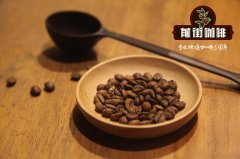
El Salvador Coffee Bean Flavor Features Sun-baked El Salvador Coffee Features Tropical Fruit Sweet
Professional coffee knowledge exchange More coffee bean information, please pay attention to coffee workshop (Weixin Official Accounts cafe_style) Front Street-Salvador Santa Rosa Manor Sun Pa Camara Santa Rosa founder Jorge Raul Rivera bought Santa Rosa Farm in 1979, coffee prices were in their heyday. El Salvador's civil war had just broken out, and La Palma, where the farm was located, was

Introduction to the Cultural characteristics of the Flavor description method of Coffee Origin in Ethiopia
Coffee trees in Ethiopia can be roughly divided into five types, of which Arabica and Robusta are the more common. Arabica species, which account for more than 70% of the world's total output, are generally grown on slopes above 900 meters above sea level and are mostly found in tropical high-altitude areas such as Central and South America, East Africa, Southeast Asia and Hawaii. Its pleasant aroma and rich nourishment